
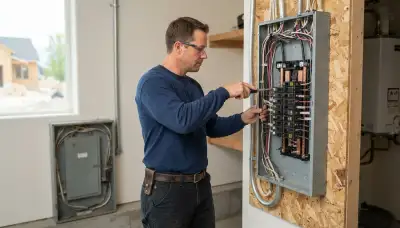
Roy homes built with panels sized for a much smaller load are common, and homeowners notice fuses instead of breakers or a box with no empty slots left. The local network, including electrical contractor in Ogden, sends electricians who also handle professional electrical panel upgrade work for these exact panels.
These houses need wiring matched to how they were built, which is why homeowners here call a local electrician instead of a general one.
Why Local Knowledge Changes Electrical Work in Roy
A local electrician knows what panel style and wiring method went into homes across Roy at the time they were built, and how additions and remodels since then have changed what the panel now carries.
Roy homes typically need either a panel replacement to add capacity or new circuits added to reduce strain on the ones already in place, and homeowners nearby facing similar issues can reach an electrical contractor in Layton, UT for the same kind of work.
A breaker that will not reset or an outlet warm to the touch should get looked at before it becomes a bigger repair.
Matching the Work to How Roy Homes Are Built
A generic approach fails here because the panel location, what sits below the house, and how far the wiring runs all change what a job actually involves once work begins.
Some Roy homes sit over a basement where a new circuit is a morning of work, while others sit on a slab, which turns the same job into one that opens walls; detached homes also carry garages and outbuildings that need their own runs, and homeowners can find expert electrical wiring for those added structures.
Homes here often need quality electrical panel installation, reliable outlet repair, specialists in generator installation, and professional ceiling fan installation to bring older wiring in line with how the house is used today.
What the Age of Roy Homes Still Decides Today
Many Roy homes went up in the decades when panels were sized around 60 to 100 amps for a much smaller electrical load than homes carry now. That original sizing still shapes what these houses need: too few circuits for modern kitchens, panels with no room for a new circuit, and wiring that was never asked to run today's appliances.
Fuses Instead of Breakers
Homeowners notice a fuse box with no room to add anything, or fuses that blow when the microwave and toaster run together. Behind it sits a service built for lighting and a few small appliances, not for the number of things plugged in today.
Local electricians replace the fuse box with a modern panel sized for how the home is used now, and homeowners near electrical repair in Clinton, UT rely on the same upgrade to stop the constant resets.
Two-Prong Outlets Throughout
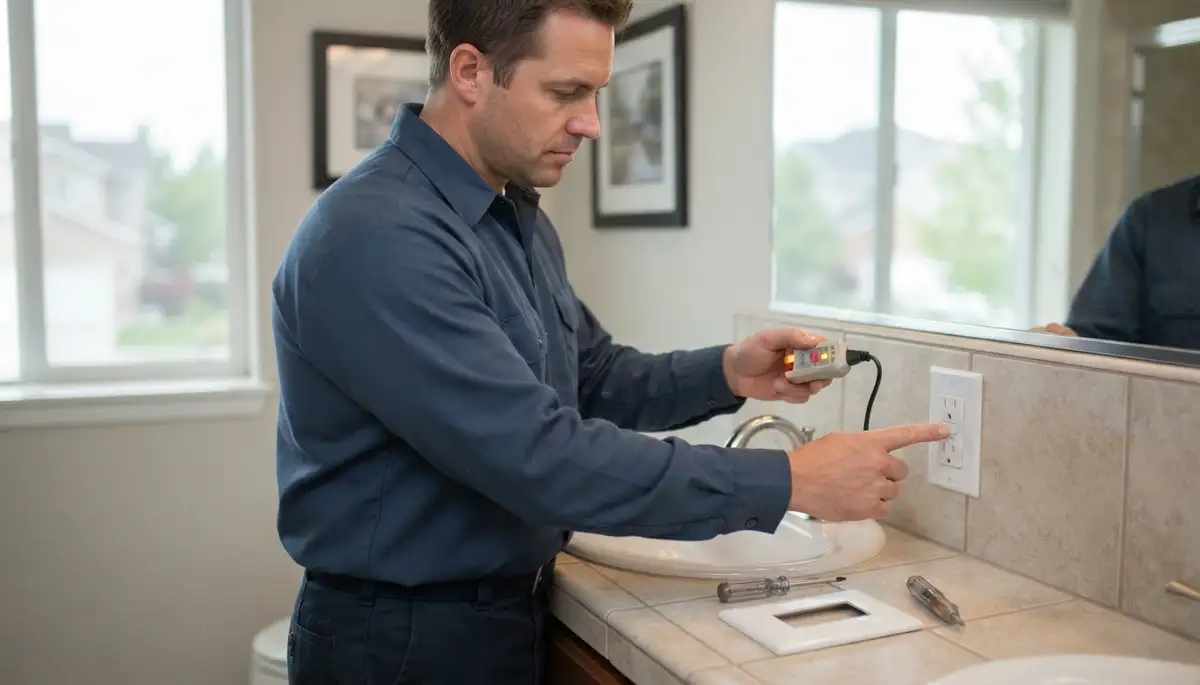
Homeowners see two-prong outlets in bedrooms and living rooms and no reset buttons near sinks or in the garage. This wiring predates grounding and GFCI requirements, leaving appliances and people without the protection newer circuits provide.
An electrician grounds these circuits and adds the outlets with test and reset buttons where water is present, so appliances are protected and outlets can safely handle modern electronics without added risk.
Warm Outlets and Flickering Lights
Years of use on original wiring show up as outlets warm to the touch and lights that dim when something else on the same circuit turns on. This points to loose or aging connections that only get worse with time.
An electrician traces the circuit, corrects the connections, and separates overloaded circuits, which stops the flickering and removes the heat buildup that puts the home at risk.
A Panel Asked to Do More Than It Was Built For
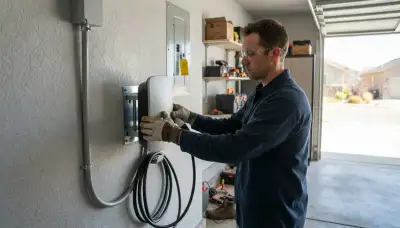
A car charger, new air conditioning, or shop tools in the garage all draw more than the original panel was sized to deliver, and hot weather makes that gap show up faster as everything runs at once.
An electrician upgrades the panel to add real capacity, so the homeowner can run a car charger, air conditioning, and kitchen appliances together without tripping breakers or worrying about what happens next.
Tight Access to the Panel and Yard
Many panels sit in a garage corner or on a tight side yard, and a long driveway or narrow side path can complicate getting equipment to the work area without disturbing the rest of the property.
An electrician plans the route and equipment placement ahead of time, so the job gets done with minimal disruption to landscaping, driveways, or the rest of the house.
Homeowners ready to get a panel or wiring problem looked at can call (801) 804-5599 to arrange a no-pressure visit with a local electrician who knows these houses.
On Call Electrical stands behind work built to last through every season ahead.

Complete Electrical Services Available in Roy, UT
The list below covers the range of electrical work available, from urgent repairs to added capacity, so homeowners can find what matches their situation.
Urgent Electrical Repairs in Roy, UT
Breaker that will not reset. Outlet warm to the touch. Lights that dim when the air conditioning starts. Flickering fixtures on one circuit. Burning smell near the panel.
Any of these signs means the circuit needs attention before the problem grows into something bigger.
Panel and Wiring Upgrades in Roy, UT
Fuse box replacement. Panel capacity upgrade. New circuit installation. Whole house rewiring. New construction wiring.
These services address panels and wiring installed decades ago that were never sized for the appliances and electronics homes run today.
Safety and Protection Work in Roy, UT
GFCI circuit installation. Smoke detector installation. Whole home surge protection. Fire alarm installation. Home electrical inspections.
Aging wiring without modern grounding or detection leaves a home exposed to shock, fire, and surge damage that newer safety devices are built to catch, giving homeowners real protection where it was missing before.
Lighting, Outdoor, and Added Load Services in Roy, UT
Electric car charger installation. Landscape lighting installation. Recessed lighting installation. Pool pump wiring. Ceiling fan installation.
These services match panels and circuits to what modern households actually run, from vehicle charging to outdoor lighting to pool equipment added long after the home was first built.